



I have written about ramen before, from its history to its various styles. Last summer, I even wrote about the joys of cold ramen in an article titled Summer Slurping. I am what is referred to as a Ramen Head. My son Charlie and I started down this path nearly 10 years ago, and we have been slurping noodles and ripping bowls ever since. 
Recently, I have been obsessed with a new ramen spot called Kitakata Ban Nai that showcases a very different style of ramen called Kitakata ramen. This is a regional ramen style from the Fukushima Prefecture, known for flat, wavy noodles and a clear soy sauce-based broth. The noodles have a higher water content, giving them a springy, chewy texture that “absorbs flavor and holds the broth beautifully.” This style of ramen was first introduced by a Chinese immigrant in the early 20s. Fukushima is known for its breakfast ramen culture. Ramen for breakfast is rare but not in this prefecture, and the city has over a hundred ramen shops. I love that phở (Vietnamese beef noodle soup) is served for breakfast. There are phở spots in San Diego that open at 8 am, and you can find me at one of them at least once, if not twice, a month. Noodles and warm broth are very soothing in the morning, especially in rainy weather. I am sure there is not a market for it, but I would love a hot bowl of ramen for breakfast.
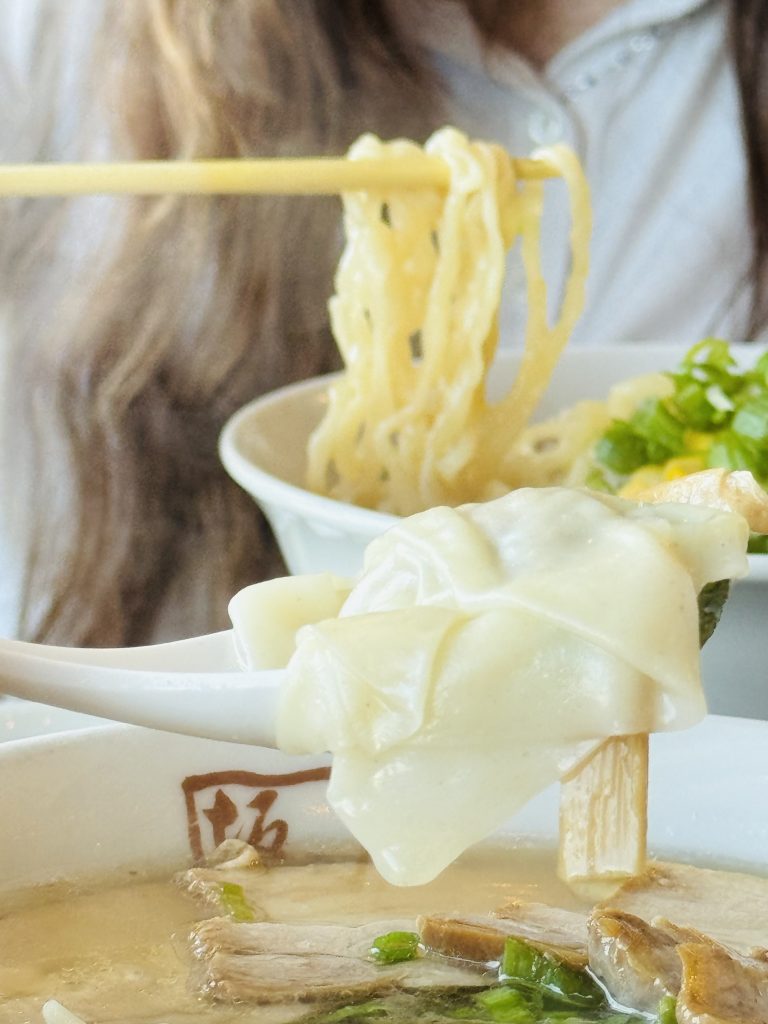
Kitakata Ban Nai first got my attention with a special they were running featuring a bowl of ramen with wontons in it; sign me up, I love a good dumpling. This is the Reese’s Peanut Butter Cup effect: two great tastes that taste great together. Pro tip: when this special comes back around, order extra wontons; I couldn’t get enough.
My daughter Sasha and I were on a pilgrimage to H Mart (Asian Supermarket, Korean), 7725 Balboa Ave, San Diego, to gather ingredients for a fun dinner we were hosting. We were making a large pot of congee (Korean rice porridge) with all the fun add-ins. The Convoy district, better known as the Pan-Asian cultural district, is a tough place to be at lunchtime, with so many great choices. Kitakata Ban Nai was a no-brainer when Sasha declared she wanted ramen.
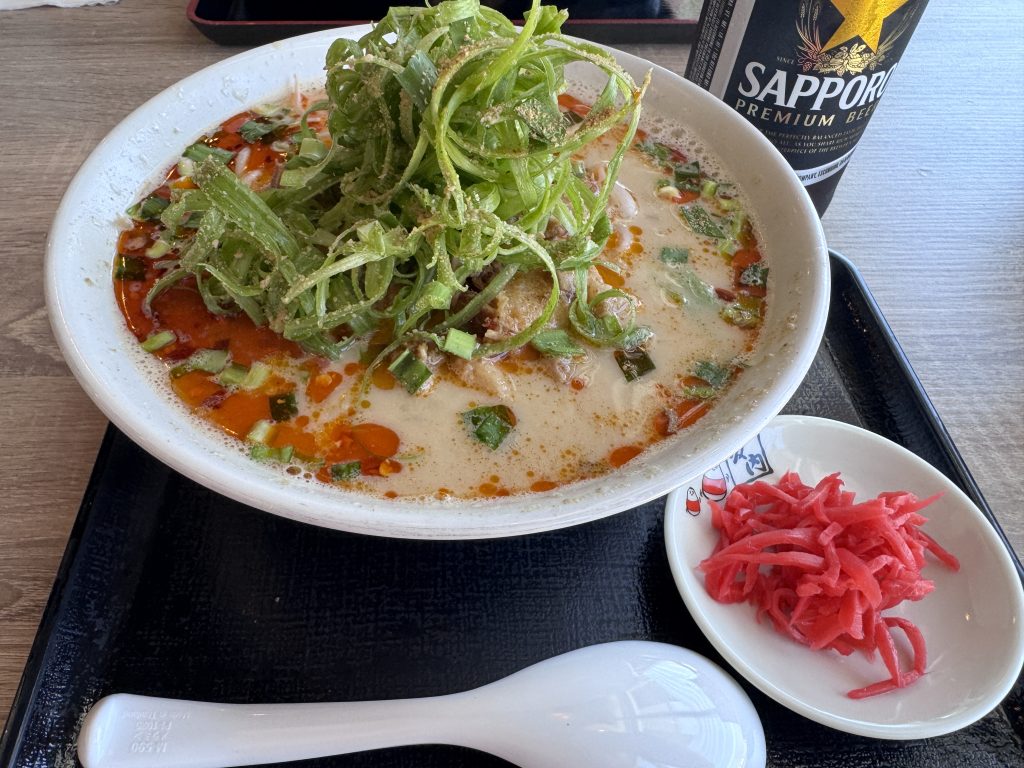
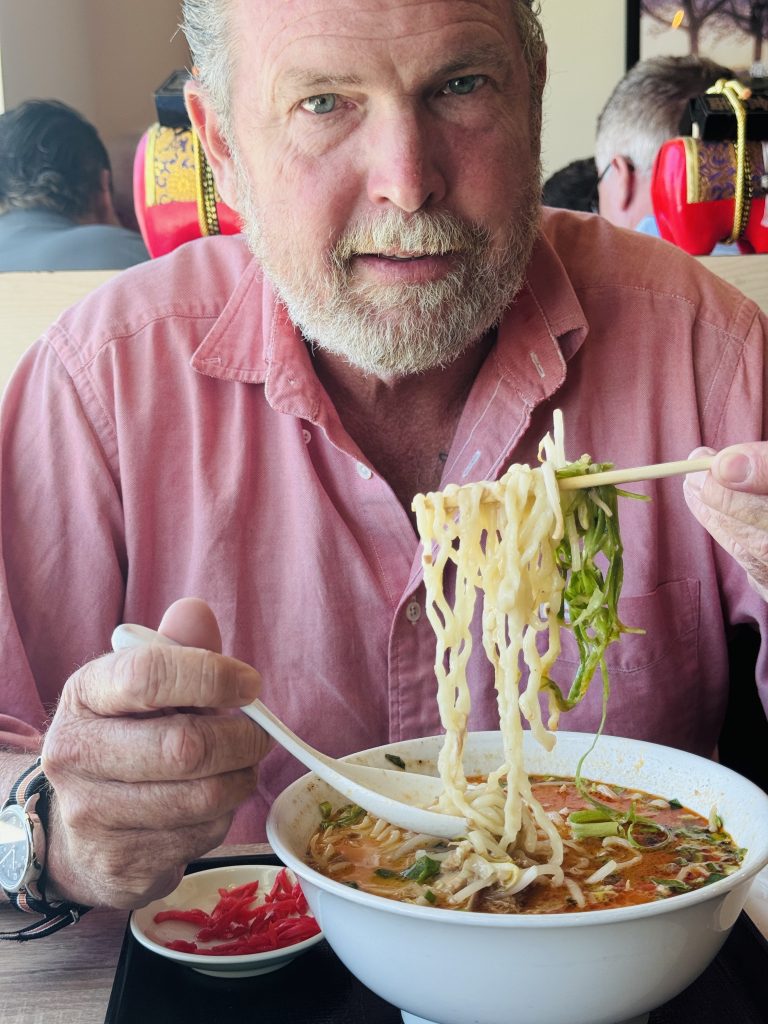
I am not going to lie, I was a little disappointed that my favorite wonton ramen special was no longer in play, but I quickly pivoted to a spicy bowl of Umakara Tan Tan Ramen (tantanmen); pork broth, spicy tan tan base, cubed toro chashu, bean sprouts, green onion, Asian chives, spicy garlic oil, red pepper, Sichuan pepper, sesame seeds.
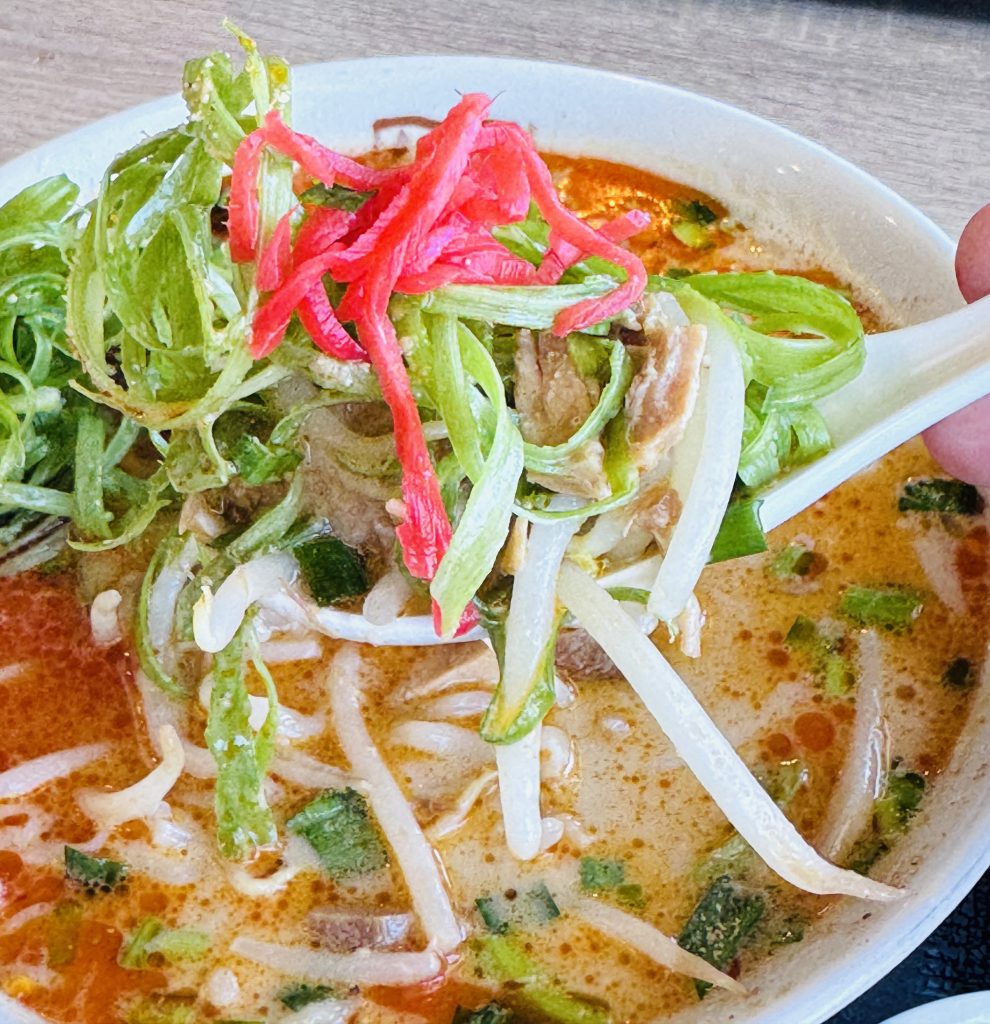
Umakara means spicy but delicious. Tantanmen is a Japanese variation of a popular Chinese dish from Sichuan called dandanmian or dan dan noodles. I have had this style of ramen in so many other ramen shops, and the pork is always ground; Kitakata Ban Nai makes theirs with cubed toro chashu. I loved this twist on the norm. The spice element is real; I had a sneezing fit mid-bowl, much to my teenage daughters’ dismay. You’ve got to want it, and I did. Go ahead, roll those eyes, Sasha. Chashu can refer to braised pork, but toro chashu lets you know it is premium pork belly.
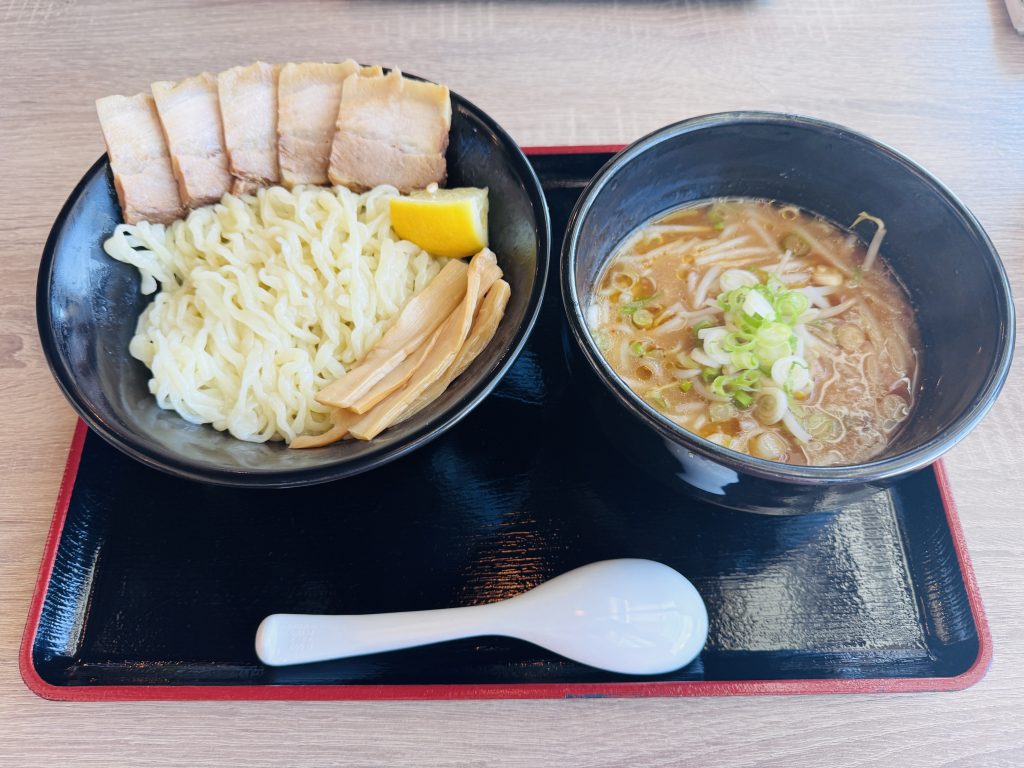
Sasha got the Tsukemen Rich Miso (cold noodles): pork broth with a miso base, toro chashu, bamboo shoots, bean sprouts, green onion, and lemon, served with cold Kitakata noodles.
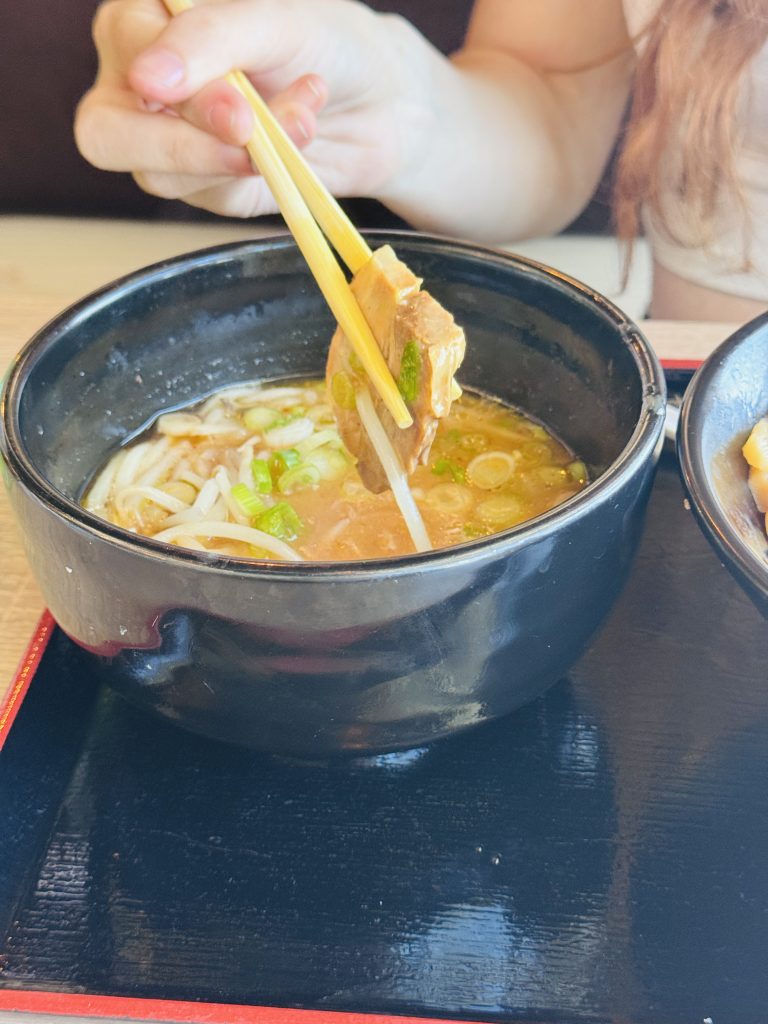
If you haven’t had tsukemen, it’s a treat: the noodles are served cold and separate from the broth, and they’re meant to be dipped into the hot broth. This dish was developed in Tokyo in the early ’60s, and the noodles are typically served cold. If you are a noodle freak, this is a great way to go, as the noodles’ texture never changes from start to finish. The word tsukemen means dipping noodle.
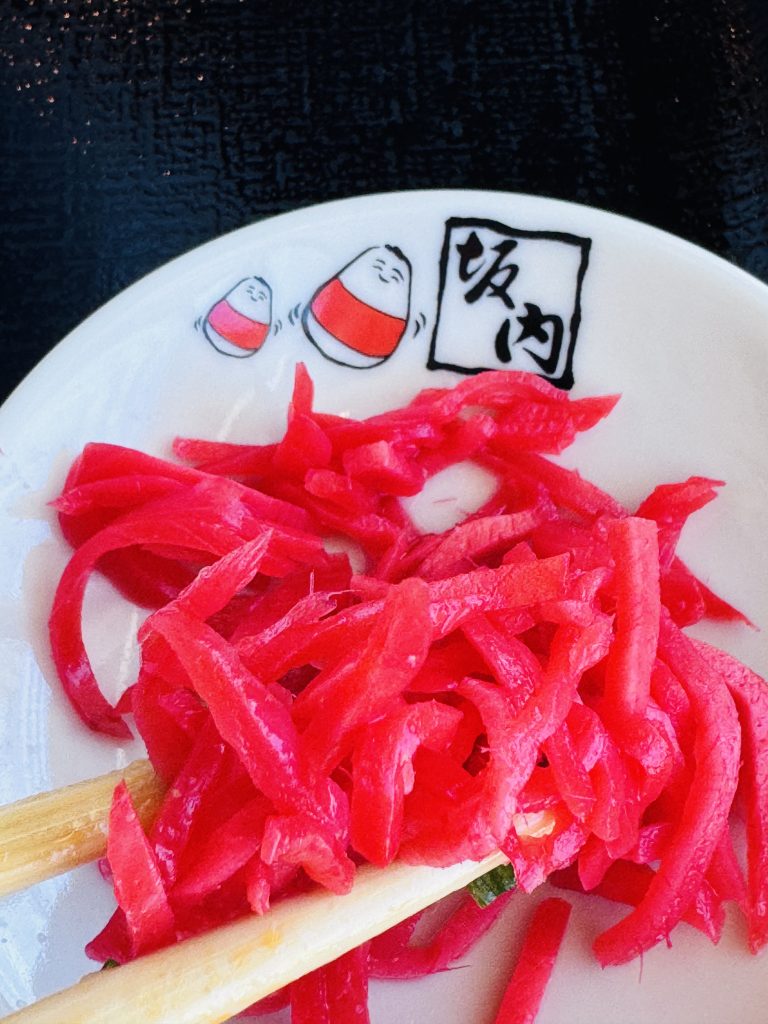
If you are heading to Kitakata Ban Nai for the first time, you may want to experience a traditional bowl of Kitakata Ramen: pork broth, shoyu base, toro chashu, bamboo shoot, and green onions. There are tons of add-ons available, everything from a seasoned egg to pickled ginger and spinach. Ramen is highly customizable, so have at it.
Here are a few of my favorite ramen spots in San Diego. This is not a best-of list, as that is very subjective. I also go to different places for different styles. I am always finding new spots, and there are plenty of great places I have been but failed to mention. I go to these places more than most.
Kitakata Ban Nai – Convoy District
Hiro Nori Craft Ramen – Hillcrest
Baikohken Ramen – Hillcrest
Menya Ultra – Convoy District
Nishiki Ramen – Hillcrest
RakiRaki Ramen & Tsukemen – Convoy District
Kitakata Ban Nai
7951 Othello Ave Ste 103
San Diego, CA 92111
(next to Business Costco)
Hours
Monday-Thursday 11:00 AM – 3:00 PM and 5:00 PM – 9:00 PM
Friday 11:00 AM – 3:00 PM and 5:00 PM – 10:00 PM
Saturday 11:00 AM – 10:00 PM
Sunday 11:00 AM – 9:00 PM