




Results of a community survey of over 2,000 people in San Diego’s South Bay show that people in the area are concerned about the quality of the air they breath, the safety of the beach water, and whether it’s safe to drink tap water.
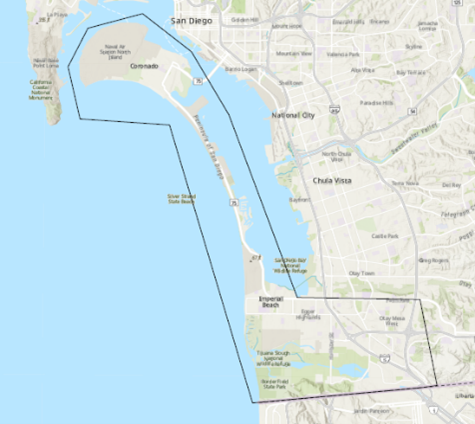
In October and November 2024, the Centers for Disease Control and Prevention’s (CDC) Agency for Toxic Substances and Disease Registry (ATSDR) asked San Diegans in the County’s south region about how sewage flows from Tijuana had impacted their lives. The survey is called the Assessment of Chemical Exposures (ACE) and it is used by the ATSDR to quickly assess how many people were exposed to harmful agents and if they are experiencing symptoms or have any immediate needs.
Anecdotal stories collected during the survey include changes made to daily life along with physical and mental health impacts. More than 60% of parents answering for their children said their child had missed school due to symptoms they believe are related to the sewage crisis, and 34% of those that work in the area have missed work due to symptoms attributed to the crisis.
Physical symptoms that respondents believe are due to the crisis include headaches, runny nose, congestion and coughing. Additionally, 25% of survey participants have pets with symptoms like skin, ear or eye issues, or respiratory, cardiac or digestive symptoms, which they believe are linked to the sewage crisis.
Regarding mental health and symptoms related to the sewage crisis, 28% reported some anxiety or worry and 21% reported depression.
Among those who completed the questionnaire, 86% said they live in the area, 31% say they visit the area for recreational activities, 21% work there, and 16% attend school. Over half (67%) said they do not believe the area is safe to visit, work or live in.
The survey results are being used to determine what steps and further support efforts can be implemented to address the sewage crisis with local, state and federal partners.
In ongoing collaboration with multiple agencies, the county has identified the following priority actions:
- Communication: Share health and resource information in multiple formats including social media and via community outreach workers.
- Drinking Water: Educate the community about how household drinking water is tested and not sourced from the Tijuana River.
- Mental Health Concerns: Promote mental health services and resources.
- Healthcare Providers: Update providers on surveillance activities and ongoing projects.
- Pet Concerns: Engage with vets, hospitals and area animal organizations.
The ACE survey results can be viewed and downloaded on the county’s interactive dashboard: Tijuana River Valley and Beach Water Sewage Crisis Public Health Response website.
A smaller in-person CASPER survey was conducted prior to the ACE survey:
Survey Results of Household Tijuana River Valley Health Assessment


I agreed with Lenora P…..we need a website that updates daily or more if needed. It’s a safety issue, and a health issue. Action please! Linda R
Been hearing this since I was a kid. 40yrs later just still kicking the poop can down the road.
So much talking but nothing done. Our air is so bad between aircraft and sewage blowing off the ocean. Wow we pay so much money to live here hope we can get something done.
The least they could do is create a website where we could go daily to see sewage flows, water quality, beach closures, air quality, progress, etc. It is the least the government could do. W e know they are collecting all that information. I’d like to see it.