




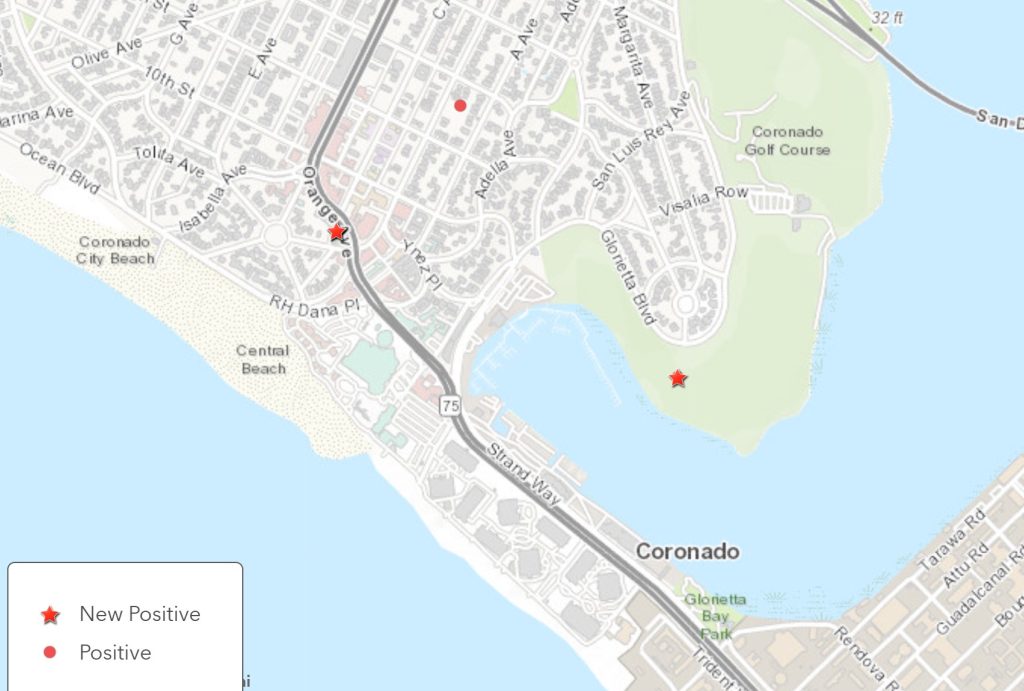
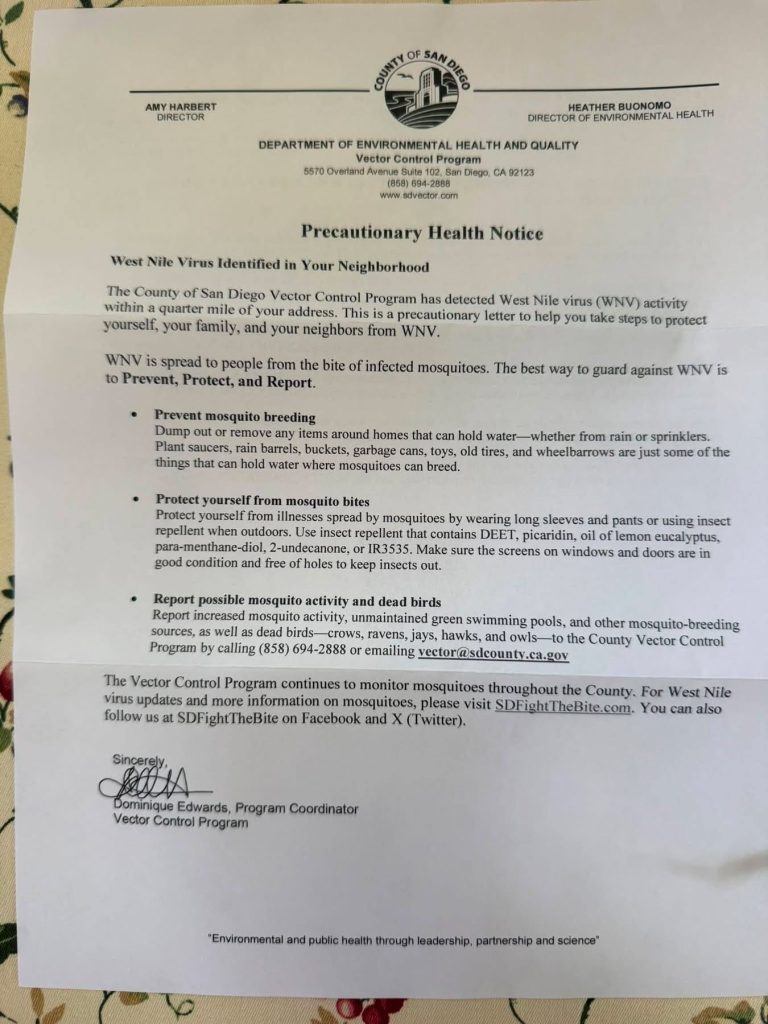
The West Nile virus has been found at three locations in Coronado, prompting health officials to send out letters to 1,470 residents, urging them to take preventive measures against the spread of the virus.
The virus — which is transmitted to humans by a bite of an infected mosquito — was found in mosquitoes trapped and tested from three different places: the southwest area of the Coronado Golf Course, near the intersection of Orange Avenue and Loma Avenue, and between A and B Avenue around Eighth Street.
Coronado resident Emily Jones was one of the residents who received the letter.
“I was surprised that West Nile virus was within a quarter mile of my home,” she said. “At the moment I read the letter, I felt concerned because I had about 31 mosquito bites.”
While the West Nile virus can be deadly, most of the time there are no symptoms at all. Sometimes, the infected person experiences headache, fever, nausea, fatigue, a skin rash or swollen glands.
In rare cases, it can cause severe illness or death, according to the San Diego County Vector Control. In October 2024, an elderly resident in San Diego County with a compromised immune system died of West Nile Virus encephalitis, which is a sudden inflammation of the brain tissue.
Four San Diegans have contracted the virus since June, according to Donna Durckel with the San Diego County Land Use and Environmental Group.
One of the cases required several days of hospitalization, another had mild symptoms, and the other two cases were detected through screening for blood donations.
There have been no deaths in San Diego this year.
But Coronado residents could be more vulnerable to complications from the infection, as more than 22% of residents are over the age of 65.
“The risk of severe illness increases with age,” said Durckel. “For example, people 65 and older are three times as likely to develop neurologic illness compared to people younger than 65.”
According to Durckel, the County has traps located throughout the region, including Coronado. The Vector Control staff routinely checks these traps and tests the mosquitoes in their labs as part of their monitoring program. The trapping and testing is paid for by property taxes.
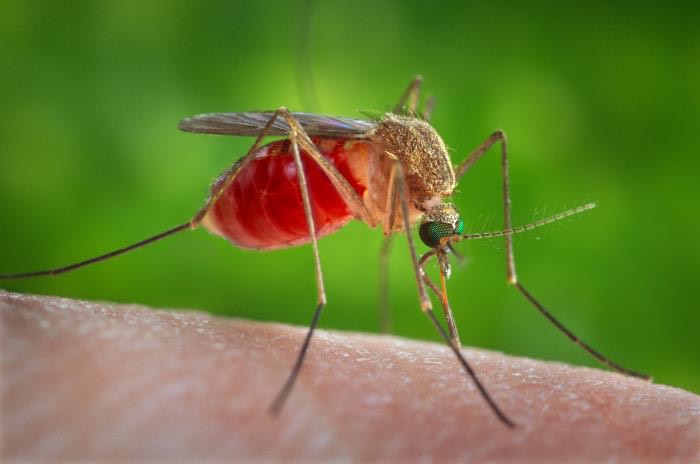
West Nile virus is the leading cause of mosquito-borne illness in the United States, and is also found in Europe, Africa, and the Middle East. It mainly affects birds, but mosquitoes can spread it to people after biting an infected bird. It is also transmissible to horses.
There is no approved human vaccine.
According to the data, there is an uptick in West Nile virus activity in California in general, putting it at a five-year high. The California Department of Public Health reports as of August 14, there are 30 human cases of West Nile virus in California, including 3 fatalities.
Durckel says there could be a variety of factors fueling the increased activity of West Nile virus, such as warmer weather.
“We also find that West Nile virus tends to be cyclical,” she said. “There may be several years where it’s not very prevalent, but then it enters cycles like this where activity increases before settling back down.”
This comes as many Coronado residents report a summer swarming with higher-than-normal numbers of mosquitoes.
Jones — who has studied insects in the field of entomology — is noticing more mosquitoes buzzing around.
“I haven’t checked the numbers, but it does seem like there have been more in Coronado this season than in previous years,” she said.
She’s not wrong. According to Durckel, many areas of the county are seeing increased mosquito activity, prompting Vector Control crews to step up monitoring and treatments.
But for now, Jones is taking extra precautions as the letter recommends. She’s using DEET spray to prevent bites, because not all of her windows have screens, and it’s too hot to keep them all closed.
“I’m also tipping my plant plates that have water sitting in them. I’m reducing the time my sprinklers run so there is no extra water pooling anywhere,” she said.
The Vector Control program says that the best way to guard against West Nile virus is to prevent, protect, and report. The program recommends taking the following actions:
- Dump or drain anything that holds water, like plant saucers, clogged gutters, buckets, toys, old tires and wheelbarrows.
- Cover rain barrel openings or use mosquito dunks.
- Request free mosquito-eating fish for ponds, fountains, or unused swimming pools.
- Protect yourself from bites by wearing long sleeves and pants outdoors.
- Use repellents with DEET, picaridin, oil of lemon eucalputus, or IR3535.
- Make sure window and door screens are in good shape.
- Report increased mosquito activity or unmaintained swimming pools or dead birds (crows, ravens, jays, hawks, owls) to County Vector Control at 858-694-2888 or email [email protected].
Learn more about the West Nile virus and updates on mosquitoes, visit SDFighttheBite.com.


We are residents of B Ave between 8th and 9th and have had the County Vector Control staff working with us to try and solve where all the mosquitos are coming from this summer. They were absolutely fantastic to work with and I am really appreciative of this service!