




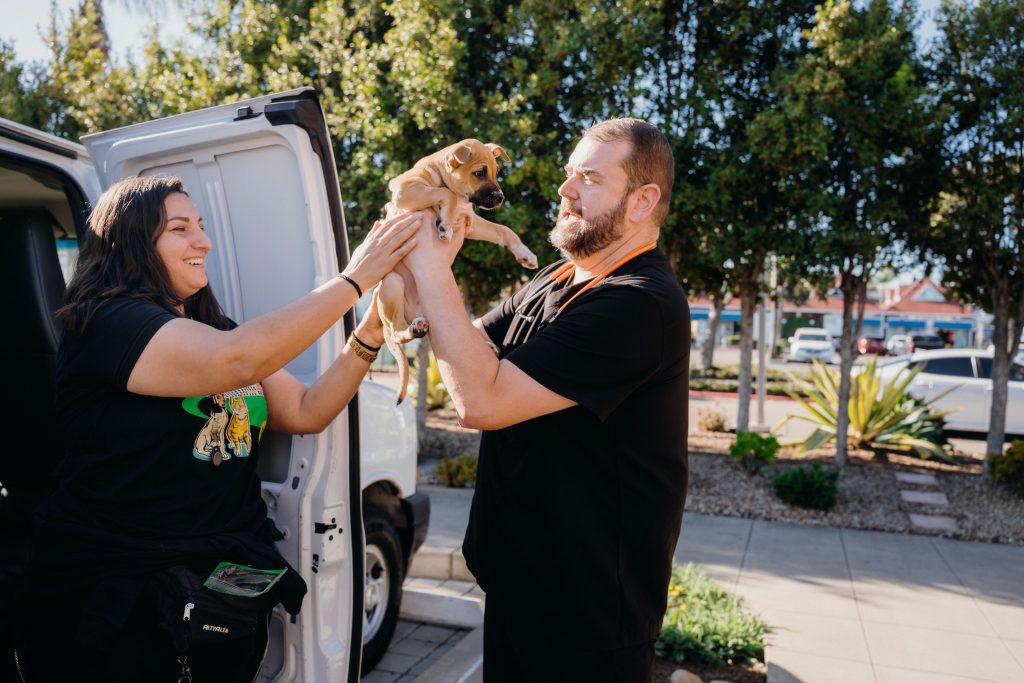
It all started with a fungus.
It was 2013 and PAWS of Coronado had a big problem. Ten cats at shelter were infected with ringworm. While the condition is curable, it spreads quickly in crowded conditions. PAWS did not have a veterinarian on staff.
The police department — which managed the PAWS animal care facility at the time — recommended that the cats be euthanized.
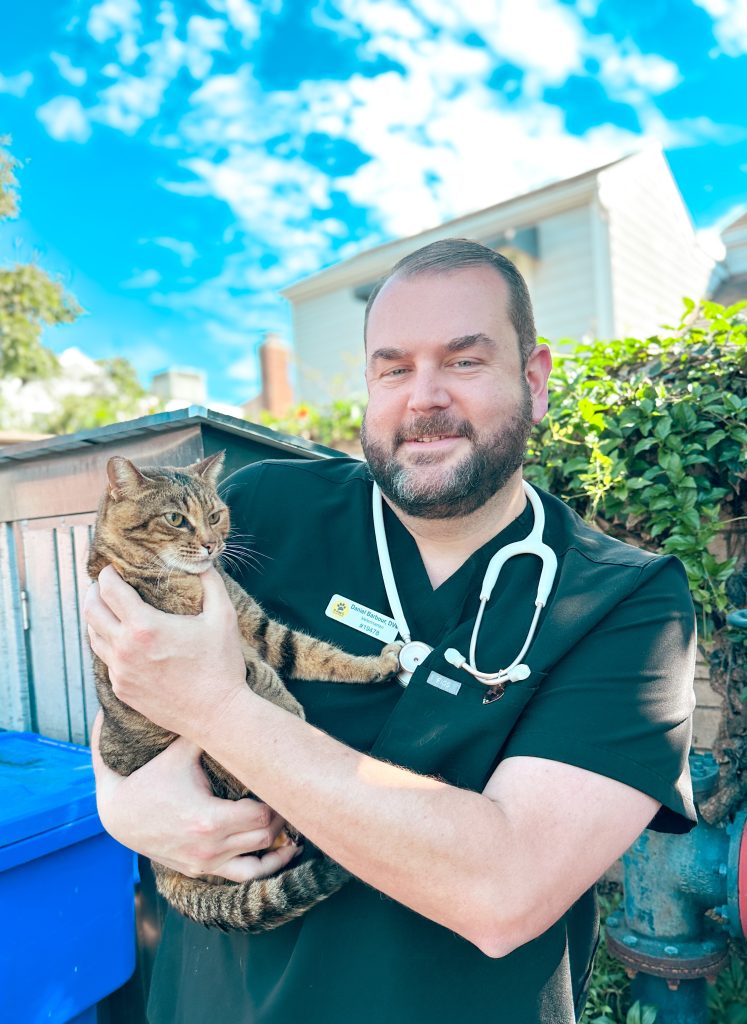
Enter, Dr. Daniel Barbour.
“The registered veterinary technician reached out to me and asked me if I could help,” said Dr. Barbour. “I said sure! I was fresh out of school, you know, a bright-eyed, bushy-tailed grad.”
There was just one problem: Dr. Barbour wasn’t exactly sure how to treat the cats. But he knew he had to do something.
“I’d never treated a colony of cats before, but if I didn’t help, these animals were going to be euthanized for a treatable, manageable condition,” he said. “So I reached out to my professor from UC Davis and asked for help.”
After administering the right treatments, including lime sulfur dip and quarantine, all of the the cats recovered. All of them got adopted.
So began his relationship with PAWS.
“They started asking me…can you come look at this animal? Then a couple weeks later, they called me again,” said Dr. Barbour.
13 years later, Dr. Barbour comes into PAWS every Thursday and some Mondays, serving as PAWS of Coronado’s veterinarian of record. With his licensing, PAWS is able to perform many services, including emergency treatments and administering humane euthanasia, in addition to microchipping and vaccinations. He’s also able to procure drugs and supplies from vendors in bulk, saving the facility money.
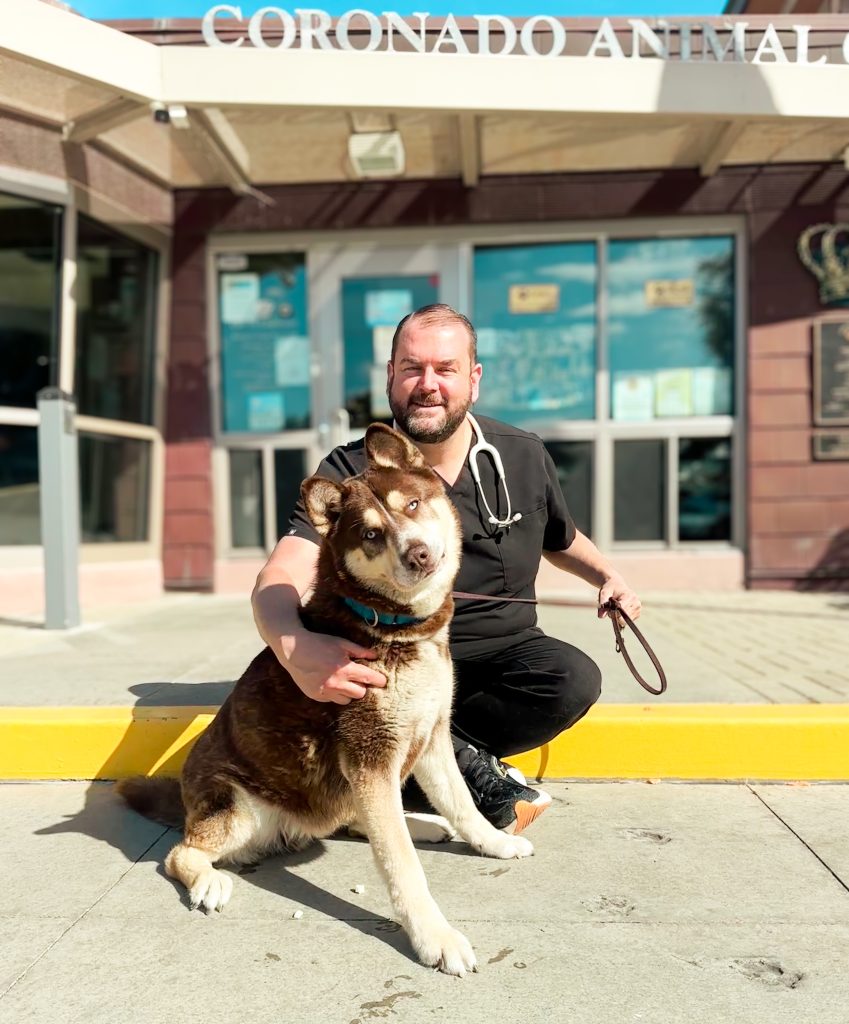
“None of this was available before,” said Dr. Barbour. “So my relationship with PAWS has changed completely.”
If you’ve ever adopted an animal from PAWS, there’s a good chance your pet has benefited from the services of Dr. Barbour. In addition to individual animal care, he also heads up parasite control and infectious disease prevention. But the end game is getting animals healthy and adoptable as quickly as possible.
PAWS isn’t his only job. He also works at San Diego Humane Society and a 24-hour-urgent care animal treatment center in Rancho Penasquitos. But he says that working with PAWS is rewarding because of it’s role as a community-focused hub for animal care and adoptions.
“I feel a connection to this organization and I’m just so proud of the things we’ve been able to accomplish,” said Dr. Barbour.
Although he doesn’t live in Coronado, Dr. Barbour says he feels like part of the community.
“When I walk down Orange Avenue, at least one person will say hi to me,” he said. “Or more often than not, they will show me a picture of their foster puppy’s diarrhea. I get a lot of pictures of poop. But it’s fine. It’s great.”
From pigs to pythons, and everything in between
Dogs and cats aren’t the only animals to walk in the doors at PAWS. Dr. Barbour recalls one of the more “interesting” animals, a pig that was taken into protective custody by the Coronado Police.
Dr. Barbour thought PAWS was getting a guinea pig. Except it wasn’t.
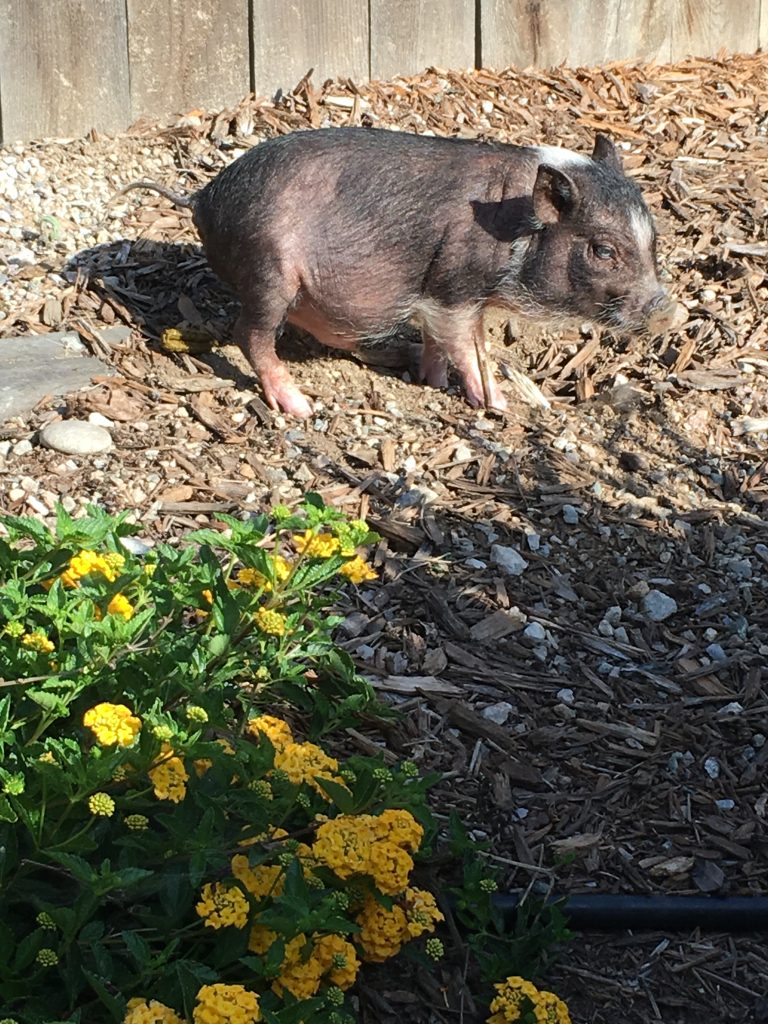
It was a Vietnamese pot-bellied pig, who Dr. Barbour quickly named “Piggy Smalls.” Piggy Smalls had scabies, but was otherwise healthy.
But there was a problem.
“We couldn’t have a pig here,” said Dr. Barbour. “He would destroy the turf and the flower beds, and squeal and make all kinds of noise.”
So he came up with another solution. He brought the pig home to where he lived with his roommates. He fostered Piggy Smalls for five months. He recalls that the pig loved riding around in the passenger seat of his car.
But most importantly, he got Piggy Smalls healthy.
“I neutered him, I vaccinated him, I microchipped him and I cleared the scabies,” said Dr. Barbour.
By the time Piggy Smalls grew into a 45-pound pig, it was time for a change of scenery. Piggy Smalls is now living his best life at an animal sanctuary in North County.
Then, there are the snakes. Snakes in Coronado? Yes, it happens.
“We’ve surprisingly had many pythons come into PAWS,” said Dr. Barbour. “The most recent one was found in the kitchen of a Coronado business.”
While PAWS can’t keep or adopt out animals like pythons, they can provide treatment and send them to other locations. In his work at San Diego Humane Society, snakes come in all the time. But it’s never just one.
“I very rarely receive just one snake,” he said. “Usually it’s a box of snakes or a bucket of snakes.”
Once, he treated a Mexican bearded lizard, which is similar to a Gila monster, which is actually a venomous lizard. He sent this creature to the San Diego Zoo, and it’s now on display at the reptile house.
“In shelter medicine, you never really know what’s coming through the door,” said Dr. Barbour.
From Future Farmers of America to shelter medicine
Dr. Barbour says he grew up surrounded by animals in East County, where he connected with dogs, cats, and desert tortoises. He joined Future Farmers of America where he raised rabbits and market hogs.
He decided to pursue studies in animal science at Cal Poly San Luis Obispo, then attended vet school at UC Davis.
Working at PAWS piqued his interest in shelter medicine.
“Shelter medicine is very different than veterinary medicine,” said Dr. Barbour. “Not only do you have to look at each individual animal, but you look at the population as a whole. You have to maintain a standard of care and quality of life for that individual animal while keeping the rest of the population healthy.”
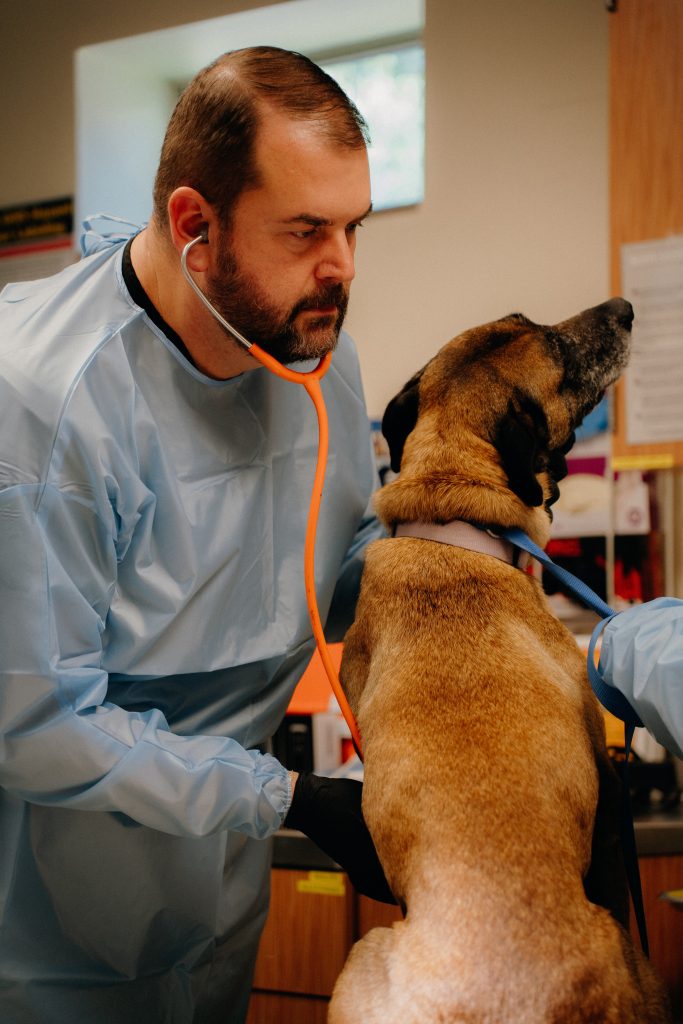
Dr. Barbour said working in shelter medicine quickly inspired him to go above and beyond the call of duty, especially when it comes to population management. He said when he was first working at PAWS, he was also working nights at the 24-hour animal urgent care. He said he would pick up animals from PAWS, take them with him to the urgent care, and spay and neuter them in the middle of the night.
“I was spaying and neutering animals at two or three in the morning,” he said. “It wasn’t sustainable, but it got the job done.”
Dr. Barbour says that working in shelter medicine is rewarding because it connects him with the local community.
“Sure, I could make more money if I worked in private practice but I really like being able to give back to the community,” said Dr. Barbour. “I come from a family of public service. My dad was a fire captain and then other family members served in the military. It influenced me to work in a field where I could give back to the community directly.”
The health of Coronado pets and Spay Day
Dr. Barbour says most of the animals that come into PAWS have the garden variety dog and cat health concerns. This includes kennel cough, upper respiratory in cats, Giardia, and lots of fleas and ticks.
But over the last few years, PAWS has seen an increase in canine distemper, which is highly-preventable through vaccinations. Dr. Barbour is proud that PAWS offers these vaccination services.
“We started shifting from, ‘look at this sick animal’ to ‘how can we best help our community?’ And part of that answer is vaccinations,” he said.
Microchips are another way to help keep animals out of shelters. In fact, PAWS has a new goal to microchip 226 animals this year.
“Microchips and vaccines are simple things that make a huge difference,” he said.
And while the Coronado community takes good care of their pets, it’s always important to educate local residents on the benefits of spaying and neutering, according to Dr. Barbour.
Not only does spaying and neutering help stop undesirable behaviors like running away or roaming, but it helps curb the transmission of disease. It can even prevent certain cancers in some animals.
That’s one of the reasons PAWS is an enthusiastic supporter of Spay Day which takes place on February 24. PAWS has raised $1,000 to support Purple Paws and Coronado Veterinary Hospital, helping fund five to six low-cost spay and neuter surgeries for pets in the community.
Like vaccinations, spaying and neutering is one way to ensure healthy, happy outcomes for pets, and keep animals from landing in shelters.
“These small steps prevent suffering and save lives,” said Dr. Barbour.
The Future of PAWS
Right now, PAWS is able to provide many services to the community. Except for surgeries. Most surgeries — even “easy,” entry-level surgeries — are getting outsourced to partner clinics, according to Dr. Barbour. This includes spays and neuters. The reason? PAWS does not currently have a surgical suite at its facility.
Dr. Barbour hopes that when PAWS gets remodeled, plans include a small, in-house surgical suite.
The benefits would be significant. It would lower costs and put less stress on the animals, eliminating the need for transportation. It would also result in shorter shelter stays. Ultimately, having an in-house surgical suite could help expand low-cost services to the community and rescue partners.
“It would really help animals get adopted faster and improve staff safety and workflow,” he said. “It’s really about efficiency and better welfare.”
Dr. Barbour emphasizes that animal welfare isn’t just the shelter’s responsibility — its a community partnership.
“Every animal deserves a chance,” he said. “And when the community comes together, we can make that happen.”
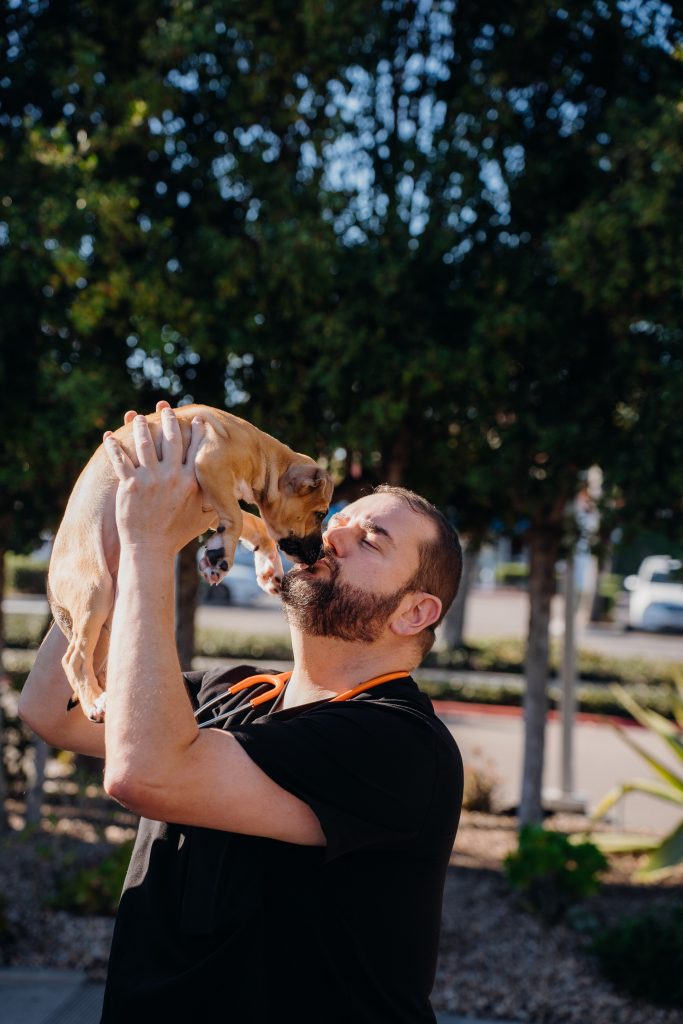


Amazing story, great veterinarian!