




Update, 5:44 a.m.:
Tsunami advisory lifted
In a 5:29 a.m. update, the National Weather Service lifted the advisory for San Diego County.
“No further tsunami danger exists,” the update reads. “However, some areas may continue to experience small sea level changes. As local conditions can cause a wide variation in tsunami wave action, the all clear determinations must be made by local authorities.”
The first tsunami waves reached the shores at La Jolla at 1:45 a.m. and measured at about 0.36 feet. At 4:13 a.m., wave heights reached 0.5 feet. The San Diego office of the National Weather Service predicts the potential arrival of additional waves for six or more hours after the original wave.
Original post:
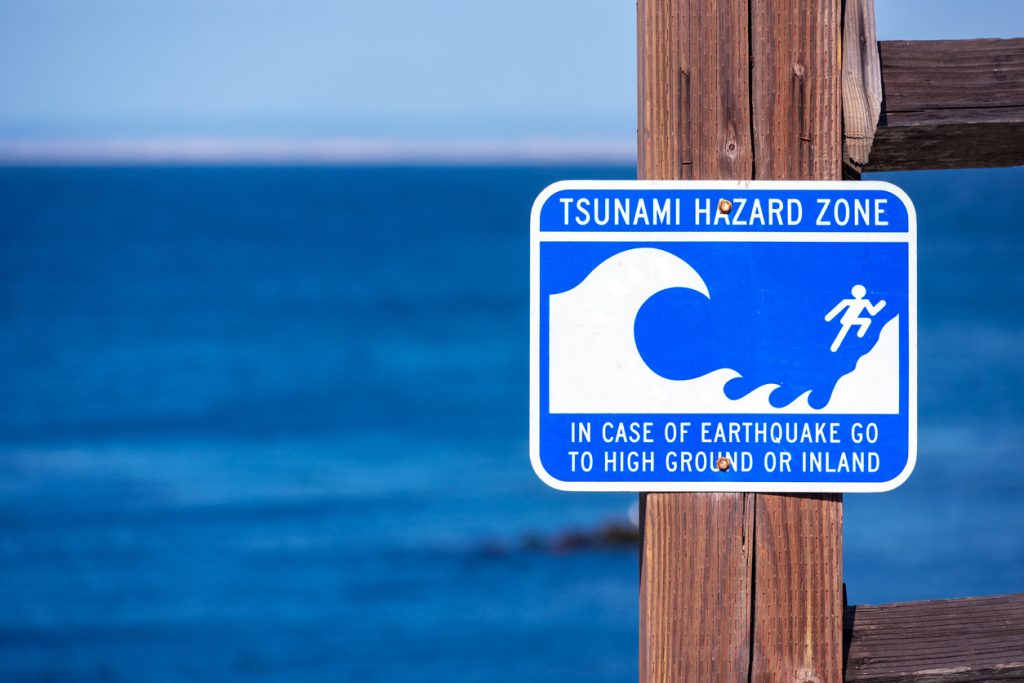
A tsunami advisory is in place for the west coast of the United States after a 8.8 magnitude earthquake hit off the coast of Kamchatka, Russia.
In Orange and San Diego counties, waves from one to two feet are forecast, which can create dangerous conditions for people in the water. The National Weather Service (NWS) San Diego advises that people stay away from the water, beaches, and waterways until further notice.
Updates are available here.
NWS Los Angeles reported a “rapid and damaging surge” in Port San Luis at around 2 a.m. July 30, and warned that, though water may recede, the surges could return multiple times over the next 24 hours.
NWS San Diego anticipates less impact, but reiterated the warning to stay away from beaches until the advisory has cleared.
The earthquake, one of the strongest in recorded history, struck about 80 miles off the Russian coast at 4:25 p.m. PST, prompting the advisory. The estimated arrival time of tsunami waves was 1:10 a.m. in La Jolla.
Around of 2:30 a.m., the National Weather Service released an update for San Diego, reiterating that the advisory remains in effect for the coastal areas of California from the US-Mexico border to Cape Medocino, Calif.
“Tsunami advisories mean that a tsunami capable of producing strong currents or waves dangerous to persons in, or very near, the water is expected or already occurring,” the update says. “Areas in the advisory should not expect widespread inundation.”
Several countries have also issued warnings, including Japan and Mexico.
This is a developing story. Updates will be published as they are available.